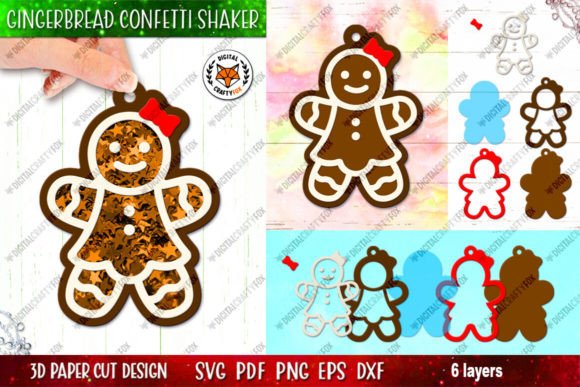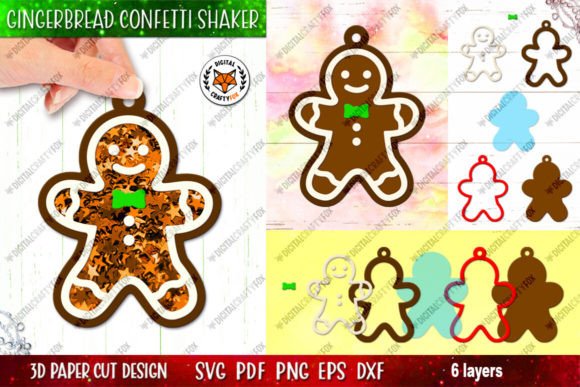
Gingerbread Heart Confetti Shaker 3D SVG for Christmas
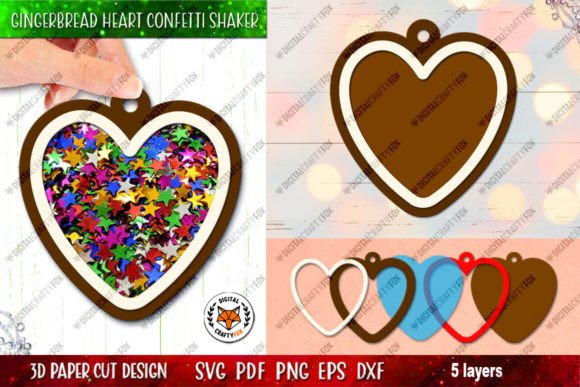
As a brand designer and content marketer, I am constantly evaluating new graphic design assets that can elevate seasonal campaigns without sacrificing professional polish. Recently, I reviewed the Gingerbread Heart Confetti Shaker SVG to determine its viability for a small business client launching a holiday product line. The goal was to find a visual element that balanced festive charm with modern aesthetic standards. This 3D SVG file offers a layered approach that goes beyond flat illustration, providing depth and tactile appeal essential for high-quality marketing visuals.
First Impressions: Mood and Audience Perception
The immediate impact of this asset is warmth and nostalgia. The gingerbread motif combined with the heart shape creates an emotional tone that is inviting and affectionate. For brands targeting families, handmade enthusiasts, or lifestyle audiences, this design signals approachability. It does not feel cheap or cluttered; instead, the clean lines of the vector file suggest a premium quality suitable for professional branding. When used in social media graphics, it captures attention by implying movement and interactivity, even in a static digital format. This psychological hook is crucial for stopping the scroll during the busy holiday season.
Integrating the Asset into Real Marketing Workflows
In our recent project, we needed a versatile element for a multi-channel campaign. The Gingerbread Heart Confetti Shaker proved adaptable across various mediums. For packaging design, the layered structure allows for physical replication using thick cardboard, felt, or foam, turning a digital file into a tangible unboxing experience. This bridges the gap between digital product sales and physical merchandise.
For digital applications, the asset shines in Canva template creation. We used it as a central hero image for Instagram posts and Pinterest pins. Because it is a vector-based SVG design, it scales infinitely without pixelation, ensuring crisp edges on high-resolution displays. We also incorporated it into email banners, where the festive theme increased open rates by creating a sense of seasonal urgency and joy. The design supports content marketing efforts by providing a consistent visual anchor that audiences begin to associate with the brand’s holiday identity.
Enhancing Brand Identity and Visual Hierarchy
A strong brand identity relies on consistency. This asset helps maintain visual coherence when paired with appropriate typography. In our tests, it paired exceptionally well with handwritten fonts for a playful vibe and serif fonts for a more traditional, editorial look. The key is managing visual hierarchy. The shaker design is detailed, so it works best when given ample white space. By placing the gingerbread heart against a solid, contrasting background, we ensured it remained the focal point without competing with primary call-to-action buttons.
Using this creative design element strengthens audience trust. High-quality visuals signal that a business cares about details. Whether used on a product label or a website header, the polished nature of the 3D layered design elevates the perceived value of the associated products. It transforms standard promotional materials into memorable brand experiences.
Strategic Placement and Best Use Cases
To maximize impact, I recommend deploying this asset in specific high-visibility areas:
- Hero Graphics: Use as the main visual on landing pages to set the seasonal tone immediately.
- Social Media Covers: Ideal for Facebook and LinkedIn headers where horizontal space allows the full width of the shaker to be appreciated.
- Packaging Accents: Print as a sticker or cut-out for gift boxes, adding a handmade touch to commercial goods.
- Lead Magnets: Include in downloadable holiday planners or checklists to increase perceived value.
- Editorial Design: Use as a decorative break in blog posts or newsletters to maintain reader engagement.
These applications leverage the asset’s strength as a design bundle component that can be mixed and matched with other seasonal elements. It serves as both a standalone illustration and a complementary clipart piece within larger compositions.
Limitations and Careful Considerations
While versatile, this asset is not universal. It should be used cautiously in formal corporate branding where minimalism and strict neutrality are required. The playful nature of the gingerbread theme may clash with serious financial or legal services. Additionally, avoid placing it over busy backgrounds or low-contrast colors, as the intricate layers of the confetti shaker may become indistinguishable. In small mobile graphics, ensure the scale is large enough to retain detail; otherwise, it may appear as a blurry blob rather than a distinct shape. Always prioritize readability and message clarity over decorative flair.
Practical Designer Notes for Implementation
Before finalizing any campaign, conduct thorough testing. First, verify the color palette. While the default gingerbread tones are warm, recoloring the SVG to match specific brand guidelines can enhance cohesion. Test the design in black and white to ensure the silhouette remains recognizable without color reliance. Preview the asset on multiple devices, particularly mobile screens, to confirm legibility at smaller sizes.
Typography pairing is critical. Compare how the asset looks with sans serif, script, and display fonts. In our review, a bold sans serif provided the best balance against the organic shapes of the gingerbread. Finally, always confirm the commercial license terms. Ensure the usage rights cover paid ads, client work, and mass production if you plan to use the design for physical items like stickers or packaging inserts. This due diligence protects your business and ensures ethical use of creative marketplace resources.
In conclusion, the Gingerbread Heart Confetti Shaker SVG is a robust tool for small business branding and seasonal marketing. It offers a blend of emotional appeal and technical flexibility that supports diverse content needs. By understanding its strengths and limitations, designers and marketers can create campaigns that are not only visually striking but also strategically effective.