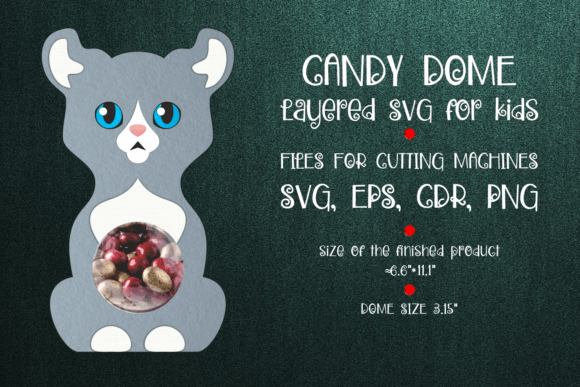
Kinkalow Cat Candy Dome: A Designer’s Review
As an embroidery designer who has spent years digitizing and testing files for everything from boutique apparel to high-volume craft fair merchandise, I approach every new machine embroidery design with a critical eye. We are not just looking for cute graphics; we are looking for stitchability, clarity, and commercial viability. Today, I am evaluating the Kinkalow Cat Candy Dome Paper Craft, a digital asset that initially caught my attention due to its whimsical theme and structural promise.
It is important to clarify upfront that this product is listed as a 3D SVG template intended for cutting machines and paper crafting, rather than a traditional stitched embroidery file. However, in the modern maker economy, the lines between digital cut files and embroidery assets often blur. Many of us use these vector shapes as inspiration for custom digitizing or as complementary elements in mixed-media projects. Here is my professional assessment of how this design translates into real-world creative applications.
First Impressions and Visual Personality
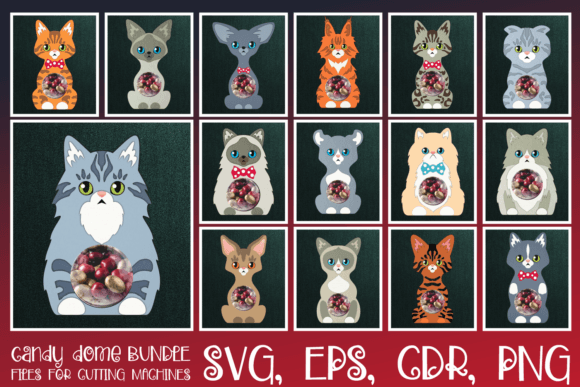
The first thing that strikes you about the Kinkalow Cat Candy Dome is its playful mood. The Kinkalow cat breed is known for its short legs and sweet expression, and this design captures that charm effectively. The "candy dome" concept suggests a rounded, enclosed shape, which creates a natural focal point. For an embroidery designer, this geometric simplicity is a double-edged sword. On one hand, clean lines are easier to digitize and stitch out cleanly. On the other hand, translating a 3D paper craft concept into a flat applique design or a filled stitch pattern requires careful consideration of depth and shading.
The visual personality is undeniably cute, making it a strong candidate for niche markets. It does not scream generic; it feels specific and curated. This specificity is valuable for Etsy sellers and small shop product creators who need to stand out in a saturated market. The design belongs naturally to projects that celebrate whimsy, such as nursery decor, children’s accessories, or lighthearted holiday gifts.
Real-World Application Scenarios
Let’s imagine a realistic scenario. You run a small business specializing in personalized baby items. A client requests a custom bib or a burp cloth set for a baby shower. The Kinkalow Cat Candy Dome could serve as the central motif. Because the design is categorized under Shapes, it likely features bold outlines and distinct sections. In an embroidery context, this would translate well into an applique technique. You would stitch the outline, place a contrasting fabric cut to the shape of the cat or the dome, and then tack it down with a satin or wide zigzag stitch. This method reduces stitch count, keeps the item soft against a baby’s skin, and adds a tactile, professional finish.
Alternatively, consider custom apparel like a sweatshirt or a tote bag. If you were to digitize this SVG into a fill stitch pattern, the rounded nature of the "dome" would require careful attention to stitch density. Too dense, and the fabric puckers; too sparse, and the backing shows through. For a tote bag design, which often uses heavier canvas, you could afford a denser fill to create a plush, raised effect. For a lightweight t-shirt, you would need to rely on running stitches for details and minimal fill to maintain drape.
Technical Considerations for Stitching
While this is a paper craft template, using it as a reference for embroidery requires technical vigilance. If you are converting this 3D SVG into an embroidery project, you must account for the limitations of thread and needle. Paper can hold sharp corners and intricate folds that thread cannot. Therefore, any tiny details in the original SVG should be simplified. Small paws, whiskers, or intricate candy wrapper details might need to be merged or removed to prevent thread breaks and bird nests.
Fabric texture plays a massive role here. On a smooth cotton or polyester blend, the design will pop. On textured fabrics like linen or terrycloth, fine details may get lost. I always recommend testing the design on scrap fabric first. Check your thread colors for contrast. A pastel Kinkalow cat on a white background will vanish, whereas a bold outline on a dark navy sweatshirt will create a striking, modern look. Always use the appropriate stabilizer; for stretchy fabrics like those used in baby embroidery or caps, a cut-away stabilizer is non-negotiable to prevent distortion.
Where to Use Caution
Not every project is suitable for this type of motif. Avoid using complex versions of this design on curved surfaces like caps or hats unless you have significant experience with 3D puff embroidery or highly simplified digitizing. The curvature of the cap can distort the round "dome" shape, making the cat look stretched or uneven. Similarly, be cautious with dark fabric if your design relies on subtle shading. Without proper underlay stitches, the dark background can peek through light-colored threads, ruining the crispness of the image.
Also, consider the end-use. If this is for a personalized gift that will be washed frequently, such as a kitchen towel or apron, ensure your stitch connections are secure. Dense areas should be balanced with lighter areas to prevent the fabric from becoming stiff or board-like. For commercial embroidery runs, consistency is key. If the design has very fine lines, it may not reproduce well across multiple units, leading to customer complaints.
Enhancing Brand Value and Customer Trust
Using unique, well-thought-out designs like the Kinkalow Cat Candy Dome enhances your brand consistency. It signals to customers that you care about aesthetics and quality. When buyers see a cohesive, charming design on a finished product, it builds trust. They perceive the item as a premium handmade product rather than a mass-produced commodity. This perception allows for higher price points and better customer retention.
For digital product sellers, offering this as part of a bundle—perhaps paired with matching clip art or printable mockups—can increase average order value. It serves as a versatile design asset that can be adapted for various mediums, from iron-on transfers to direct embroidery.
Practical Designer Notes
Before you commit to production, keep these practical tips in mind:
- Verify Licensing: Since this is a digital download, confirm whether the license allows for commercial use of finished physical items. Do not assume; read the terms provided by the seller.
- Check Software Compatibility: Ensure you have the appropriate software to work with SVG files if you plan to edit or convert them. Not all embroidery software imports SVGs directly for stitching; you may need a separate digitizing program.
- Test Stitch Density: If digitizing from scratch, start with a low density and incrementally increase until the coverage is solid without causing puckering.
- Mockup in Black and White: Remove color to check the value structure. If the design looks muddy in grayscale, it will lack impact in thread.
- Hoop Size Selection: Choose a hoop that minimizes re-hooping. Multiple hoopings increase the risk of misalignment, especially with symmetrical shapes like a dome.
In conclusion, the Kinkalow Cat Candy Dome Paper Craft offers a delightful aesthetic that, when thoughtfully adapted, can elevate your embroidery portfolio. Whether you are creating a holiday embroidery piece, a sweatshirt embroidery hit, or a unique embroidered patch, the key lies in respecting the material constraints while embracing the design's inherent charm. Treat it not just as a file, but as a foundation for creative excellence.