Review: Bunny Confetti Shaker 3D Christmas SVG
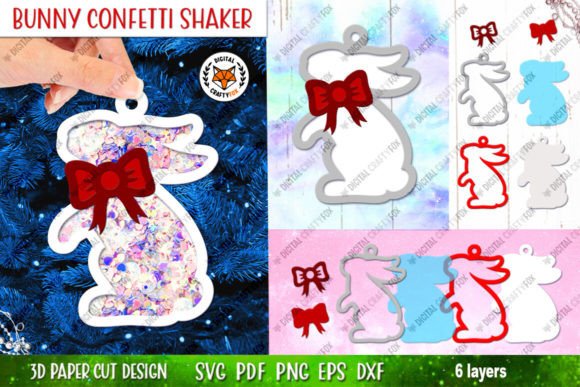
As a designer who spends half my life tweaking digitized files and the other half stitching them out, I have learned to look past the glossy preview images. We all know that what looks crisp on a screen does not always translate cleanly to fabric. When I first opened the Bunny Confetti Shaker, 3D Christmas SVG, my initial reaction was one of cautious curiosity. The concept is playful—a festive bunny holding or surrounded by a shaker element filled with confetti—but the execution requires a keen eye for detail, especially when adapting a design originally intended for paper cutting into a format suitable for embroidery.
This design falls squarely into the holiday category, but it carries a whimsical weight that sets it apart from traditional red-and-green motifs. For those of us running small shops or selling on Etsy, finding assets that feel fresh yet familiar is a constant challenge. This 3D SVG offers a layered aesthetic that mimics depth, which is a fantastic starting point for creating visually interesting machine embroidery design projects. However, because the source description mentions its use for paper cutting and 3D layered toys using cardboard or foam, we must approach this file with a translator’s mindset. We are not just stitching a flat image; we are interpreting a three-dimensional concept onto a two-dimensional plane.
First Impressions and Visual Mood
The immediate mood this design creates is lighthearted and modern. It avoids the heavy, traditional ornamentation often seen in holiday embroidery, opting instead for a cleaner, more graphic look. The bunny character serves as an anchor, providing a recognizable silhouette that appeals to both children and adults. For a personalized gift or a boutique product, this approachability is key. Customers are drawn to designs that feel handmade but professional, and the clean lines of this SVG suggest a high level of craftsmanship if stitched correctly.
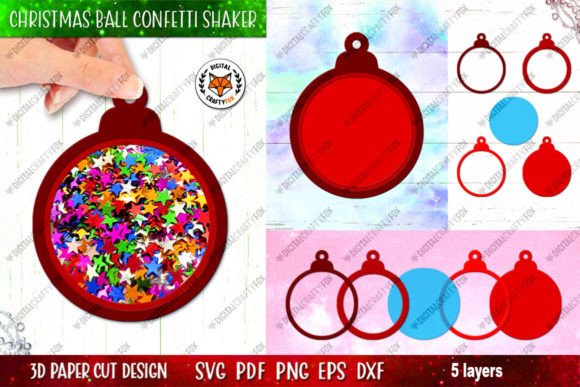
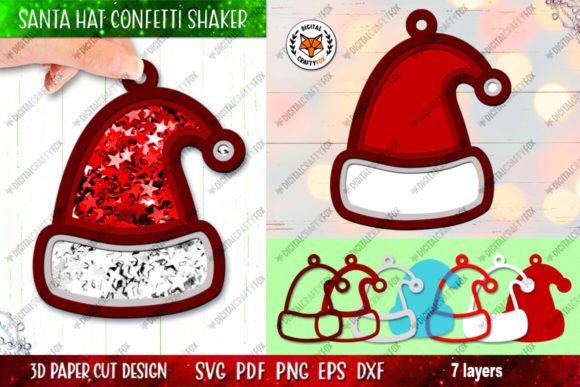
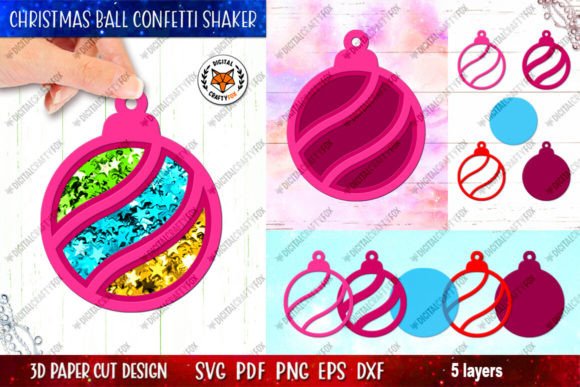
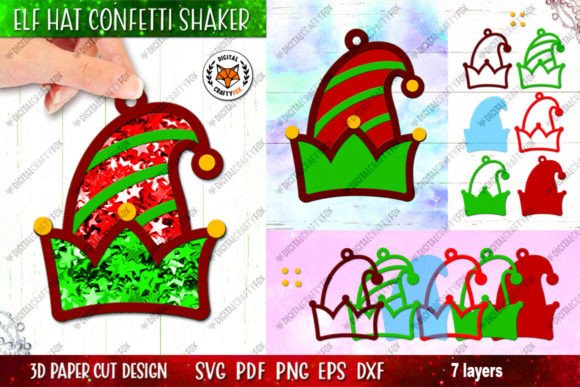
When evaluating the layout, I noticed the potential for creative interpretation. Since the original concept involves a "shaker" mechanism with confetti, an embroiderer might consider using varied thread colors to simulate the scattered confetti effect. Instead of actual moving parts, we can use satin stitches or small fill stitches in contrasting hues to create the illusion of movement and depth. This makes the design versatile for various embroidery project types, from subtle accents on adult apparel to bold statements on children’s items.
Real-World Application: The Custom Tote Test
To truly understand the value of this asset, I imagined applying it to a real-world scenario: a custom canvas tote bag design for a holiday market. Canvas is a sturdy fabric that holds up well to denser stitching, making it an ideal candidate for testing the structural integrity of the design. In this context, the bunny would be stitched using a combination of satin stitch for the outlines and fill stitch for the body, ensuring durability against frequent washing and use.
The "confetti" elements would need careful handling. On a tote bag, tiny isolated stitches can get lost or pull the fabric. I would recommend scaling the design to fit a standard 5x7 or 6x10 hoop, ensuring that the smallest details remain large enough to stitch cleanly. For a small shop product, consistency is vital. If you are producing these in batches, the design must be robust enough to withstand minor variations in fabric tension. The layered nature of the 3D SVG suggests that color blocking will be essential here. Using distinct thread colors for each layer helps maintain visual clarity, preventing the design from looking like a muddy blob from a distance.
Navigating Fabric and Hoop Constraints
While the design is charming, it is not without its technical challenges. One must be particularly careful when applying this to textured fabrics or stretchy materials. A sweatshirt embroidery project, for instance, requires a different approach than a cotton tote. The fleece or jersey fabric can distort fine details, so I would advise using a cut-away stabilizer to provide maximum support. Additionally, the stitch density should be reviewed before running the full production batch. If the digital file retains the extreme intricacy of a paper-cut template, it may be too dense for soft knits, leading to puckering.
For curved surfaces like caps or hats, the design’s width becomes a critical factor. A wide, horizontal layout might not wrap well around the front panel of a baseball cap. In such cases, simplifying the background elements or focusing solely on the bunny character might yield a better finished product. Similarly, on dark fabrics, the contrast of the thread colors becomes paramount. A black bunny on a navy shirt will vanish unless outlined with a lighter thread or backed with an applique layer. Speaking of which, this design could easily be adapted into an applique design, where the bunny is cut from felt and stitched down, reducing stitch count and adding a nice tactile dimension that echoes the original 3D intent.
Commercial Viability and Brand Consistency
For Etsy sellers and craft business owners, the appeal of this design lies in its uniqueness. It stands out in a sea of generic snowflakes and reindeer. However, professionalism is judged by the quality of the stitch-out. A poorly digitized version of this digital embroidery file can damage brand trust. Before listing it as a custom apparel option or a baby embroidery item, it is crucial to test the design on scrap fabric. Check how the threads lay, whether there are any jumps or trims that seem excessive, and if the overall balance feels right.
Visual appeal directly impacts buyer engagement. A clean, well-stitched bunny confetti shaker can elevate a simple kitchen towel or pillow cover into a premium gift item. It suggests thoughtfulness and attention to detail. For those creating printable mockup assets or digital previews, ensure that the representation matches the realistic outcome. Over-promising on the complexity of the 3D effect can lead to customer disappointment if the embroidered result looks flatter than expected.
Practical Designer Notes
Before committing to a large run or selling this as a design asset, keep these practical tips in mind:
- Test on Scrap Fabric: Always stitch a sample on the same material you plan to use for the final product. This reveals issues with tension and density.
- Check Thread Contrast: Use high-contrast thread colors to define the layers of the bunny and the confetti, ensuring the design reads clearly from a distance.
- Review Stitch Density: If the file is dense, consider reducing it slightly for stretchy fabrics to prevent puckering.
- Confirm Hoop Size: Ensure the design fits comfortably within your machine’s hoop, leaving room for stabilization.
- Inspect Small Details: Zoom in on the confetti elements. If they are too small, they may break during stitching or washing. Consider merging tiny elements.
- Verify Licensing: Since the source mentions it is a 3D SVG for paper cutting, confirm if the license allows for commercial embroidery use. Not all digital files grant rights for physical resale.
In conclusion, the Bunny Confetti Shaker, 3D Christmas SVG is a promising resource for designers willing to put in the preparatory work. It bridges the gap between playful illustration and tangible craft, offering a unique angle for commercial embroidery and handmade goods. With careful attention to fabric choice, stabilizer selection, and stitch optimization, this design can become a standout piece in your holiday collection, delighting customers with its charm and quality.