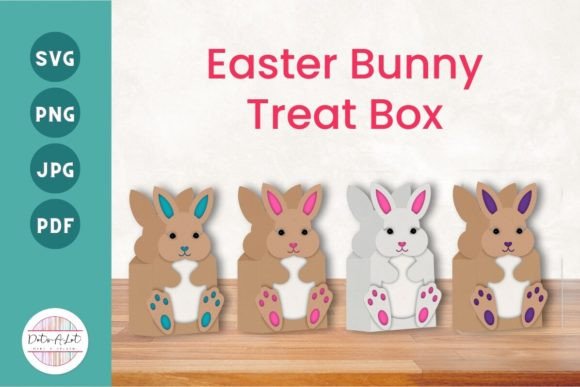
Review: Easter Bunny Treat Box 3D SVG Cut File
As a designer who has spent countless hours staring at digitized files and watching needles punch through fabric, I have learned to look past the flashy preview images. What matters is how a design behaves in the real world. When I first opened the Easter Bunny Treat Box 3D SVG Cut File, my initial reaction was one of cautious optimism. The concept of a three-dimensional treat box is charming, but translating that structural complexity into a format suitable for embroidery requires careful consideration of layering, density, and practical application.
This is not just another flat bunny silhouette. It belongs to the Shapes category, yet it carries the weight of a functional object. For those of us running small shops or creating personalized gifts, understanding the difference between a cute graphic and a viable product is crucial. Here is my honest assessment of how this file performs when moved from the screen to the sewing machine.
First Impressions and Visual Personality
The mood this design creates is undeniably spring-like and playful. The layered approach suggests depth, which is rare in standard embroidery assets. Visually, it feels substantial. It does not look like a flimsy add-on; rather, it looks like a centerpiece. For an embroidery project aimed at holiday gifts or boutique branding, this visual weight is an asset. It commands attention without being overly aggressive.
However, the term 3D SVG can be misleading for embroiderers. In the cutting world, this means physical layers. In embroidery, we must interpret this through stitch types. I looked closely at the potential for satin stitch borders to define the edges and fill stitch areas to create volume. The design relies on clean lines and distinct color blocks to achieve its three-dimensional illusion. If the digitizing is tight, the result will be crisp. If it is loose, the "3D" effect may get lost in thread pull.
Real-World Application Scenarios
I recently considered using this design for a custom embroidered tote bag order. The client wanted something festive but durable. This is where the rubber meets the road. A tote bag design needs to withstand washing and heavy use. The Easter Bunny Treat Box 3D SVG Cut File, with its defined shapes, works well here because the larger filled areas provide stability. It would sit nicely on canvas or heavy cotton, giving the handmade product a professional finish.
Beyond bags, I see strong potential for sweatshirt embroidery. Placed on the left chest or as a larger back print, the bunny shape offers a nostalgic, cozy feel. For baby embroidery, such as on a onesie or burp cloth, the softness of the theme fits perfectly. However, one must be mindful of the scale. A design intended for a box structure might feel too dense on delicate baby knits if not scaled down appropriately.
For Etsy sellers and craft business owners, this asset is versatile. It can serve as the main focus for holiday embroidery collections or as a decorative accent on kitchen towels. The key is matching the design’s complexity to the product’s purpose. A simple tea towel might benefit from a simplified version, while a structured apron could handle the full detail.
Navigating Technical Challenges
While the aesthetic is strong, there are areas where caution is required. Embroidery is a tactile medium, and certain fabrics fight back. Here is where you need to think like a technician, not just an artist.
- Fabric Texture: On textured fabrics like terry cloth or fleece, fine details can get lost. The thread colors need high contrast against the background to maintain the shape’s integrity.
- Stretchy Fabric: If you are applying this to a t-shirt or cap, the stretch can distort the image. Using a proper stabilizer is non-negotiable. I recommend a cut-away stabilizer for garments that will be washed frequently to prevent puckering.
- Small Hoop Sizes: Check your hoop size before committing. If the design is intricate, shrinking it to fit a 4x4 hoop might merge small details, turning distinct shapes into a blob of thread. Always test on scrap fabric first.
- Dense Stitch Areas: Three-dimensional illusions often require dense stitching. On thin fabric, this can cause tunneling or tearing. Ensure your machine tension is balanced and consider using a topping if working with plush materials.
For those interested in commercial embroidery, remember that consistency is key. If you are producing fifty units for a small shop product, every stitch must land in the same place. Test the embroidery file thoroughly to ensure registration marks align if you are combining this with other elements.
Enhancing Product Value and Brand Trust
Why does this matter for your bottom line? Because customers buy with their eyes first, but they return for quality. A well-executed personalized gift featuring this design speaks to professionalism. It shows that you care about the finished product, not just the speed of production.
When used in custom apparel or as an embroidered patch, the clarity of the design enhances brand recognition. If you are building a brand around spring or Easter themes, this asset helps maintain visual consistency. It feels curated, not generic. Buyers engage more with products that look thoughtful and well-crafted. The "3D" aspect, even if simulated through stitching, adds a perceived value that flat designs often lack.
For digital product sellers, offering this as part of a bundle can increase average order value. But always be transparent. If you are selling the digital embroidery file itself, ensure your listing clearly states what machines it is compatible with. If you are selling the finished item, highlight the craftsmanship in your photos. Use good lighting to show the texture of the satin and fill stitches.
Practical Designer Notes
Before you load this into your machine, take these steps to ensure success:
- Check the License: Confirm whether the file allows for commercial use. As an Etsy seller or small business owner, you need to know if you can sell items made with this design.
- Test Stitch Density: Run a test on similar fabric to your final product. Look for thread breaks or excessive pull.
- Color Contrast: Mock up the design in black and white. If the shapes disappear in grayscale, the contrast in color will also be poor. Adjust your thread palette accordingly.
- Inspect Small Details: Zoom in on the digital file. Are there tiny running stitch areas that might not hold up? Simplify if necessary.
- Verify File Formats: The product description mentions SVG, which is primarily for cutting. Ensure you have the correct embroidery formats (like PES, DST, or JEF) for your specific machine. Do not assume compatibility.
In conclusion, the Easter Bunny Treat Box 3D SVG Cut File is a promising asset for those willing to put in the technical legwork. It offers a fresh take on seasonal motifs, moving beyond the flat and predictable. With careful attention to stabilizer choice, fabric selection, and stitch density, it can elevate your handmade products from simple crafts to desirable boutique items. Treat it with respect, test it thoroughly, and it will likely become a staple in your spring collection.