Review: Multilayered Dragon Mandala SVG Design
As a designer who has spent countless hours digitizing and testing machine embroidery design files, I approach every new asset with a critical eye. We are not just looking for pretty pictures; we are looking for structural integrity, stitch logic, and commercial viability. Recently, I downloaded the Multilayered Dragon Mandala SVG Design to evaluate its potential for real-world application. This is not a standard flat graphic; it is categorized as a 3D SVG, which immediately suggests depth and complexity. My goal was to determine if this digital embroidery file could hold up under the needle on actual fabric, rather than just looking good on a screen.
First Impressions and Visual Mood
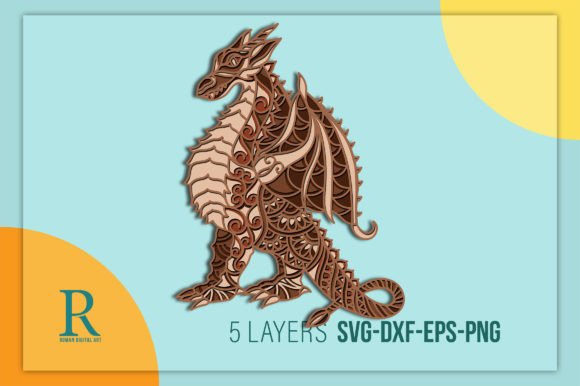
Opening the zip folder, I found the expected formats: SVG, PNG, DXF, and EPS. The description notes that the SVG and EPS files are provided in five layers each, while the PNG is a single file. For an embroidery professional, the layered structure is the most critical element. It allows us to deconstruct the image into manageable color blocks or stitch types. The visual personality of the Multilayered Dragon Mandala SVG Design is striking. It blends the mythical ferocity of a dragon with the geometric harmony of a mandala. This creates a mood that is both powerful and meditative, making it versatile for various demographics.
The layout is circular, which is naturally pleasing to the eye and works well within standard hoop constraints. However, the detail level is high. In embroidery, high detail can be a double-edged sword. If the stitch density is too high, you risk puckering the fabric or breaking needles. If it is too low, the intricate lines of the dragon’s scales and the mandala’s geometry may look muddy. My initial assessment suggested that this design requires careful handling regarding thread choice and stabilizer selection.
Real-World Application: The Tote Bag Test
To test the practicality of this embroidery project, I simulated a common scenario for many Etsy sellers and craft business owners: creating a custom tote bag. Tote bags are often made from canvas or heavy cotton, which provides a stable base for detailed work. I envisioned placing the Multilayered Dragon Mandala SVG Design on the front panel of a natural-colored canvas bag.
The circular shape fits perfectly within a 5x7 or 6x10 hoop size, which are standard for many home and small-shop machines. Using the layered SVG files, I separated the design elements to plan the stitching order. The outer mandala rings would benefit from a clean satin stitch to define the border, while the inner dragon details might require a combination of fill stitch for coverage and running stitch for fine outlines. This approach ensures that the design remains crisp and does not become a blob of thread.
For a handmade product like this, the perceived value is high. Customers often associate intricate embroidery with quality and effort. A well-executed version of this design could easily command a premium price in a small shop product lineup. It serves as an excellent personalized gift option, especially for clients interested in fantasy themes or spiritual symbolism.
Navigating Fabric and Technical Challenges
While the design is visually stunning, it demands respect during the stitching process. One must consider where this applique design or full-coverage embroidery should be used carefully. On stretchy fabrics like jersey t-shirts or thin rayon, the weight of the threads could cause distortion. In such cases, a cut-away stabilizer is non-negotiable. For textured fabrics like towels or fleece, the fine details of the mandala might get lost. I would advise against using this specific design on plush materials unless you significantly scale it up.
Dark fabrics present another challenge. If you are stitching on black or navy, you must ensure high contrast in your thread colors. Metallic threads could add a magical touch to the dragon scales, enhancing the 3D SVG effect, but they are prone to breaking. Testing on scrap fabric is essential. I recommend stitching a small section of the densest area first to check for thread breaks or bobbin issues. This step saves time and prevents ruining a final finished product like a sweatshirt embroidery piece or a delicate baby embroidery item.
Commercial Viability and Brand Consistency
For commercial embroidery professionals, consistency is key. The Multilayered Dragon Mandala SVG Design offers a unique aesthetic that can help build brand recognition. Whether used for custom apparel, embroidered patch creations, or holiday embroidery gifts, the design stands out. It is not a generic floral pattern; it has character. This distinctiveness helps in creating memorable design assets for your portfolio.
However, before listing this as a digital product or selling finished items, you must verify the licensing terms. The product description mentions availability in multiple formats but does not explicitly state commercial rights. Always confirm whether the license allows for mass production or if it is limited to personal use. This due diligence protects your craft business from legal issues and builds trust with your customers.
Practical Designer Notes for Success
To get the best results from this embroidery file, follow these practical steps:
- Test on Scrap Fabric: Always run a test stitch-out on the same material you intend to use for the final item. This reveals any tension issues or density problems.
- Check Thread Contrast: Use a color chart to plan your palette. High contrast between layers enhances the 3D effect and improves stitching clarity.
- Review Stitch Density: If your machine allows, adjust the density settings. Reducing density slightly can prevent puckering on lighter fabrics without sacrificing visual impact.
- Confirm Hoop Size: Ensure your hoop can accommodate the full design. If scaling down, be aware that tiny details may merge and become indistinct.
- Inspect Small Details: Zoom in on the digital file. Look for extremely small elements that might not stitch out cleanly. You may need to simplify these areas manually.
- Use Proper Stabilizer: Match the stabilizer to the fabric. Tear-away for stable woven fabrics, cut-away for knits, and water-soluble for delicate or pile fabrics.
In conclusion, the Multilayered Dragon Mandala SVG Design is a robust asset for designers willing to put in the preparatory work. It offers a blend of artistic flair and technical challenge that can elevate a printable mockup into a tangible, high-value item. By understanding its limitations and leveraging its strengths, you can create stunning pieces that resonate with buyers and enhance your reputation as a skilled maker.