Reviewing the Halloween Countdown Card Design
As a designer who has spent countless hours digitizing and testing embroidery files, I approach every new machine embroidery design with a mix of curiosity and caution. We all know that what looks crisp on a screen does not always translate perfectly to fabric. When I first opened the Halloween Countdown Card file from Bella Carta Design, my initial reaction was not just about the spooky aesthetic, but about its structural integrity for real-world application. This is not merely a decorative graphic; it is a functional, interactive piece meant to engage the viewer, which adds a layer of complexity to how we must handle it in our hoops.
First Impressions and Visual Personality
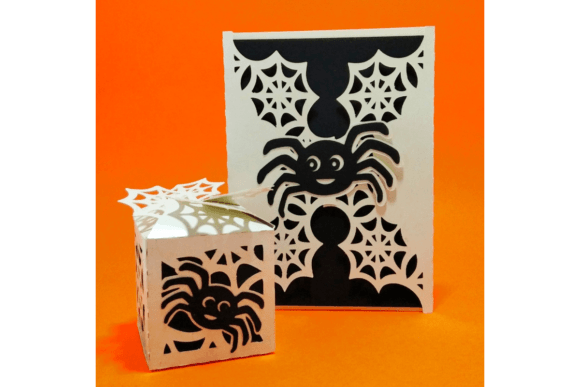
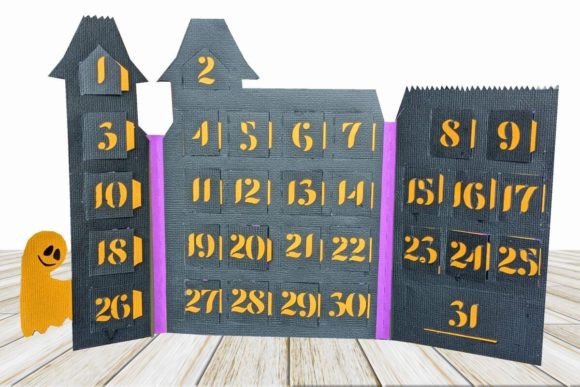
The mood of this design is immediately apparent: it balances playful spookiness with clean, modern lines. For those of us creating holiday embroidery items, finding a design that avoids looking cluttered or overly juvenile is a constant challenge. The Halloween Countdown Card achieves a sophisticated look that appeals to both children and adults. The layout suggests a gatefold structure, which is intriguing for paper crafts, but as an embroidery reviewer, I am looking at how these shapes hold up under thread tension.
The visual personality is bold yet delicate enough to fit on various substrates. It does not rely solely on dense fill stitch areas, which is a relief. Overly dense designs can cause puckering, especially on lighter fabrics. Instead, the design seems to utilize a mix of satin stitch borders and open spaces, allowing the fabric texture to breathe. This balance is crucial for maintaining the professional finish that customers expect from a handmade product.
Real-World Application Beyond Paper Crafts
While the product description highlights its use as a card for Cricut or Silhouette machines, my focus is on how this 3D SVG concept translates to textile arts. I recently worked on a custom order for a boutique client who wanted unique, interactive holiday gifts. Instead of a paper card, I envisioned this design adapted for a small, framed embroidered patch or a decorative panel on a tote bag design.
Imagine stitching this onto a heavy canvas tote. The countdown element could be represented by embroidered numbers or movable tabs if constructed with fabric loops. For a sweatshirt embroidery project, placing this design on the upper back or as a large chest piece creates a statement item. The interactive nature of the "countdown" theme invites engagement, making it more than just a static image. It becomes a conversation starter, which increases the perceived value of the finished product.
For Etsy sellers and small shop product creators, versatility is key. This design could easily be scaled down for baby embroidery on onesies, provided the details remain clear. Alternatively, it works beautifully on kitchen towels as part of a seasonal decor set. The key is understanding that the "interactive" aspect might need to be interpreted creatively in thread—perhaps through layered appliques or textured stitches that mimic the folding mechanism of the original card concept.
Navigating Technical Challenges
Every designer knows that certain designs require careful handling. With the Halloween Countdown Card, there are specific areas where attention to detail is non-negotiable. If you are working with stretchy fabric like jersey knits for t-shirts, the stability of the design is paramount. Without proper support, the satin edges may warp over time.
I recommend using a cut-away stabilizer for garments that will be washed frequently. For home decor items like pillow covers, a tear-away might suffice, but only if the fabric is woven and stable. Another consideration is the hoop size. Ensure your machine can accommodate the full dimensions of the design without needing to split it, unless you are experienced in multi-hooping techniques. Splitting a design with intricate alignment requirements, such as a countdown mechanism, can lead to misalignment that ruins the visual appeal.
Be cautious with dark fabric backgrounds. If the design relies on light-colored threads for visibility, test your thread colors against the material first. High contrast is essential for readability, especially if the design includes small numerical elements for the countdown. On textured fabrics, such as linen or toweling, the finer details might get lost. In such cases, increasing the stitch density slightly or opting for a bolder outline can help maintain clarity.
Enhancing Brand Value and Customer Trust
For commercial embroidery professionals, the quality of your digital embroidery file directly impacts your brand reputation. A well-executed Halloween Countdown Card embroidery signals professionalism. It shows that you care about precision and durability. Customers are more likely to trust a craft business that delivers clean, puckers-free stitching with vibrant, well-chosen colors.
This design also offers excellent opportunities for printable mockup creation. Before stitching a large batch for a boutique branding campaign, create digital previews to gauge customer interest. Use these assets in your online listings to show the versatility of the design. Whether it is used for personalized gift tags, custom apparel, or home decor, the consistent quality of the embroidery reinforces your brand identity.
Practical Designer Notes
Before committing to a final production run, always test the design on scrap fabric similar to your final material. Check the stitch density to ensure it does not overwhelm the fabric. Inspect small details under magnification to confirm that tiny elements, such as the numbers in the countdown, are legible and securely stitched.
Review the licensing terms provided by Bella Carta Design. While many design assets allow for commercial use of finished physical items, selling the embroidery file itself is typically prohibited. Confirm whether the license covers mass production or if there are limits on the number of units you can sell. This due diligence protects your small business from legal issues and ensures ethical practices within the creative community.
Finally, consider the end-user experience. If this is for a custom apparel piece, ensure the placement is comfortable and does not irritate the skin. For home goods, verify that the threads are colorfast and can withstand washing instructions appropriate for the item. By treating the Halloween Countdown Card not just as a graphic, but as a tactile, functional element, you elevate it from a simple decoration to a cherished keepsake.
In conclusion, this design offers a fresh take on holiday motifs. It challenges us to think beyond flat imagery and consider interaction and structure in our embroidery project planning. With careful attention to technical details and a creative approach to application, it can become a standout item in any handmade collection.