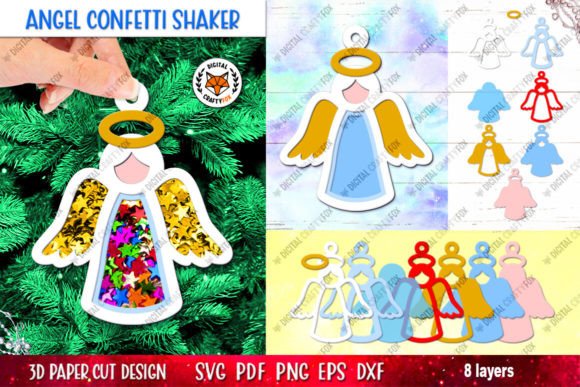
Reviewing the Angel Confetti Shaker Paper Cut SVG
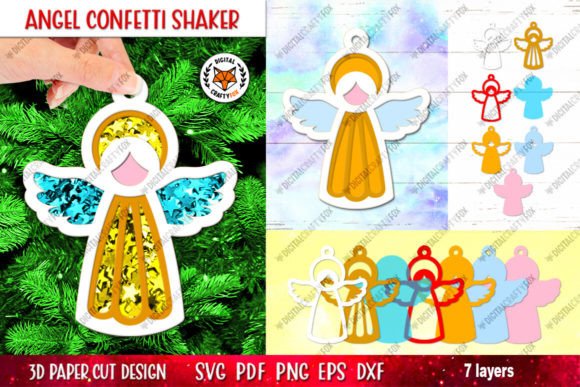
As a designer who spends half my life staring at digitized files and the other half pulling threads out of misaligned hoops, I have learned to be skeptical of trendy design formats. When I first encountered the Angel Confetti Shaker Paper Cut SVG, my initial reaction was not immediate excitement, but rather a practical pause. This is described as a 3D Christmas toy and a layered design intended for paper cutting, using materials like thick cardboard, felt, or foam. For an embroidery professional, this presents a unique challenge: how do we translate a structural, multi-layered paper craft concept into a stitched machine embroidery design that holds up on fabric?
The Visual Mood and Structural Integrity
The first impression of this design is one of whimsical depth. Unlike flat vector art, the Angel Confetti Shaker Paper Cut SVG relies on the illusion of volume. In a paper context, this is achieved by stacking layers. In embroidery, we must achieve this through clever use of fill stitch densities, satin stitch borders, and potentially applique design techniques. The mood is distinctly festive, capturing that specific quiet magic of holiday decor. It feels less like a loud graphic and more like a delicate ornament.
For those of us creating holiday embroidery for boutique clients, this aesthetic is valuable. It suggests sophistication. However, the "shaker" element implies movement and internal space. If you are considering adapting this 3D SVG concept into a stitched format, you must think about how to represent that empty space. Will you use a clear vinyl overlay? Or will you rely on negative space within the stitching? These are critical decisions that define the success of the embroidery project.
Real-World Application: The Holiday Tote Scenario
Let’s walk through a real case. Imagine a client wants a set of reusable gift bags for their small bakery. They want something festive but reusable, moving away from single-use paper. I would consider using the angel motif from this design on a heavy canvas tote bag design. Here, the layered look of the original paper cut file can be mimicked using different thread weights or a combination of running stitch outlines and dense fills.
If I were to stitch this directly onto the tote, the stitch density becomes a major factor. A design meant for stiff cardboard may be too dense for soft canvas, causing puckering. I would need to adjust the underlay and potentially reduce the density of the background elements to let the angel figure pop. The result would be a high-value handmade product that feels substantial and well-crafted, increasing the perceived value of the bakery’s brand.
Navigating Fabric and Hoop Constraints
This is where many designers stumble. The Angel Confetti Shaker Paper Cut SVG is inherently detailed. When translating this to embroidery, you must respect the limitations of your hoop size and machine capabilities. If you attempt to shrink this design for a baby onesie or a small embroidered patch, the fine details of the confetti and the angel’s wings may merge into a blob of thread. This is known as loss of stitching clarity.
I advise extreme caution when using this type of layered design on stretchy fabrics like jersey for sweatshirt embroidery or baby embroidery. Without a robust cut-away stabilizer, the tension from the dense stitches required to mimic the paper layers will distort the garment. Furthermore, on dark fabrics, you must carefully select thread colors that provide enough contrast. A subtle tonal shift that works in paper might disappear completely in thread if the lighting isn't perfect.
Commercial Viability for Etsy Sellers and Makers
For the Etsy seller or craft business owner, this design offers a strong hook. Consumers are tired of generic clip-art holidays. They want texture and dimension. A personalized gift featuring a complex, layered-looking angel stands out in a crowded marketplace. It signals that the maker put thought into the construction, not just the execution.
However, you must verify the licensing. The description notes it is for paper cutting. If you are selling custom apparel or digital products based on this shape, you need to ensure you have the right to adapt it for commercial embroidery. Many paper craft licenses do not automatically cover digital embroidery files or physical stitched goods. Always check the terms before listing your small shop product.
Practical Designer Notes for Execution
Before you commit to a full production run, follow these steps to ensure quality:
- Test on scrap fabric first: Never stitch a complex, layered design directly on the final garment. Use the same fabric weight and type to check for puckering.
- Check thread color contrast: View your design in black and white mockups. If the layers blend together without color, they will likely blend together with thread too. Adjust your palette for clarity.
- Review stitch density: If the original SVG has overlapping areas, ensure your digitizing software doesn't stack unnecessary stitches, which adds bulk and breaks needles.
- Confirm hoop size: Ensure the entire design fits comfortably within your hoop with adequate margin for stabilization.
- Inspect small details: Zoom in on the confetti elements. Are they too small to stitch reliably? You may need to simplify these elements for a cleaner finished product.
Final Thoughts on Design Adaptation
The Angel Confetti Shaker Paper Cut SVG is a beautiful source of inspiration, but it is not a plug-and-play solution for embroidery. It requires a designer’s eye to translate its 3D paper logic into 2D thread logic. When done correctly, it elevates a simple item into a heirloom-quality piece. Whether you are making kitchen towel sets, pillow covers, or caps, the key is respecting the material. Thread behaves differently than cardstock. It pulls, it stretches, and it reflects light.
By treating this design as a structural guide rather than a rigid template, you can create commercial embroidery pieces that are both visually stunning and durable. Take the time to understand the interplay between the angel’s form and the fabric’s texture. Your customers will notice the difference between a rushed job and a thoughtfully executed design. In the world of handmade goods, that attention to detail is what builds trust and drives repeat business.